
Spinel Sourcing Guide: Origin, Colors, and Why Spinel Is Rising in Value
A professional perspective on how to evaluate, source, and understand spinel in today’s gemstone market
What Is Spinel and Why It Is Gaining Attention
Spinel is no longer a misunderstood gemstone. It is now being selected with intent.
For a long time, it sat behind other stones — often mistaken for ruby or sapphire in historical pieces. That phase is ending. Today, spinel is being evaluated on its own characteristics, and that shift is driving real demand.
The first time I handled a lavender spinel, what stayed with me was not the color itself, but the way it held light. The effect was controlled, even, and stable. Not aggressive, not flat. That internal balance is difficult to describe and even more difficult to photograph.
Spinel does not perform well in images. It performs in real life.
That distinction is important, because once you understand how it behaves in real conditions, it becomes clear why this material is gaining relevance in high jewellery.
How to Evaluate Spinel: Color, Cut, and Light Performance
When working with spinel sourcing, the evaluation process should remain precise.
Color is the primary factor. Not only saturation, but tone — how the stone sits between light and dark. A spinel that appears strong under direct lighting but closes under softer light loses value in practical use. The most reliable stones maintain their color across different environments.
Light performance is what defines spinel. Some stones return light cleanly but feel flat. Others show a more diffused internal reflection that creates depth. This is what I refer to as glow. It is not a technical term, but it is consistent across high-quality material.
Cut is critical. Spinel requires exact proportions.
If the pavilion is too deep, the center darkens. If too shallow, the stone loses intensity. A well-cut spinel shows even brightness, clean facet alignment, and no dead areas. Cut directly controls how both color and light are perceived.
Clarity is generally secondary. Fine spinels are often eye-clean, and inclusions rarely define the stone unless they interrupt light performance.
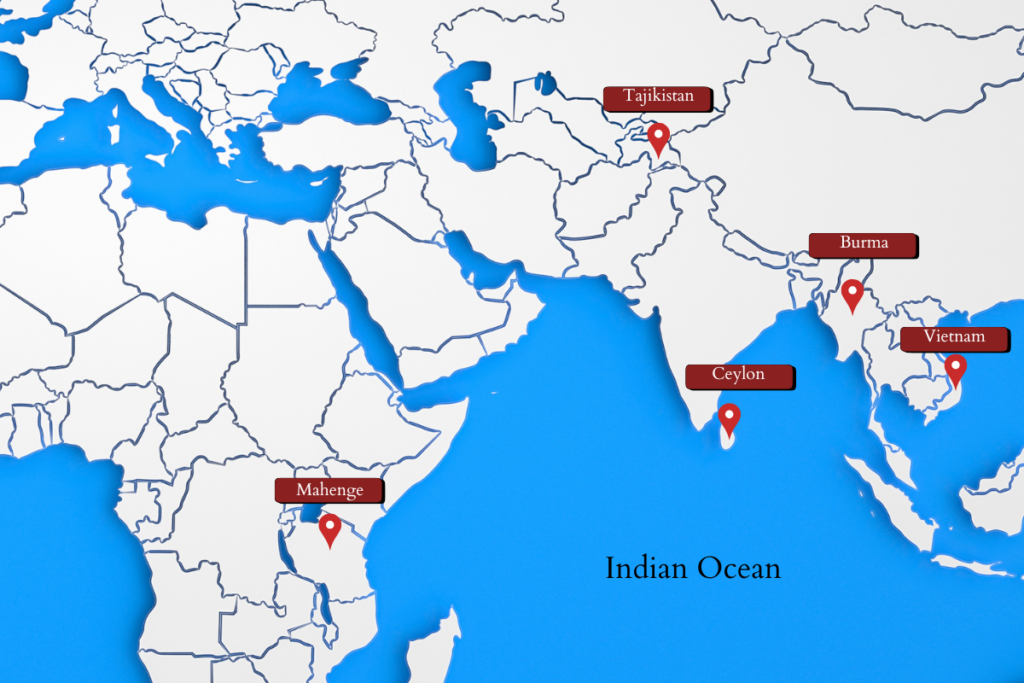
Spinel Origins: Mines, Supply, and Market Perception
Origin provides context, but it does not replace evaluation.
Myanmar, particularly the Mogok region, remains the reference for fine red spinel. These stones are known for balance — strong color without excessive saturation, and a depth that holds in different lighting conditions. Supply at the high end is limited and increasingly selective.
Vietnam produces spinels that are often brighter and cleaner. Stones from Luc Yen tend to show more open tones, sometimes lighter, but very precise when well cut.
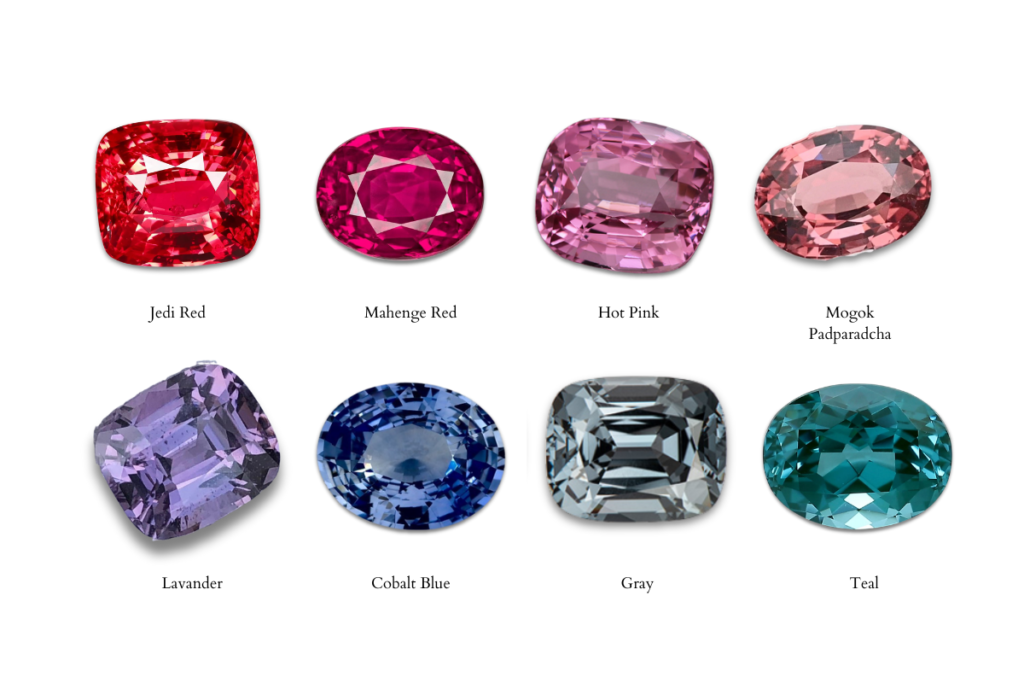
Tanzania, especially Mahenge, has had a significant impact on the market. The region is known for highly saturated pink and red spinels, including what the market refers to as “hot pink.” These stones have driven demand over the last decade. However, supply is not stable, and fine material is becoming more difficult to source.
Sri Lanka offers a wider range of colors, generally softer in tone and often with visible inclusions. These stones are valued for balance rather than intensity.
Other sources — Madagascar, Afghanistan, Tajikistan — contribute smaller quantities, sometimes producing notable stones but not in volumes that shape the market.
From a supply perspective, spinel is available at a commercial level. Fine material is not. High-quality stones in specific colors are limited, and that limitation is becoming more visible.
Gemological Characteristics of Spinel
Spinel is one of the most stable and reliable gemstones used in jewellery.
It is singly refractive. Light travels through the stone without splitting, which results in a clean and sharp visual appearance. Facets remain well defined, with no doubling.
Its hardness is 8 on the Mohs scale, making it suitable for regular wear. It offers a good balance between durability and workability.
Spinel has no cleavage planes. This reduces the risk of the stone splitting under impact, which is an important structural advantage.
The refractive index, around 1.718, provides a controlled light return. Strong enough to give presence, but not overly sharp.
Inclusions are typically minor. Fine spinels are often eye-clean.
Most importantly, spinel is generally untreated. The color you see is natural, which simplifies sourcing and increases confidence in the material.
Spinel Sourcing: Colors, Rarity, and What to Look For
Spinel sourcing today requires understanding both demand and rarity.
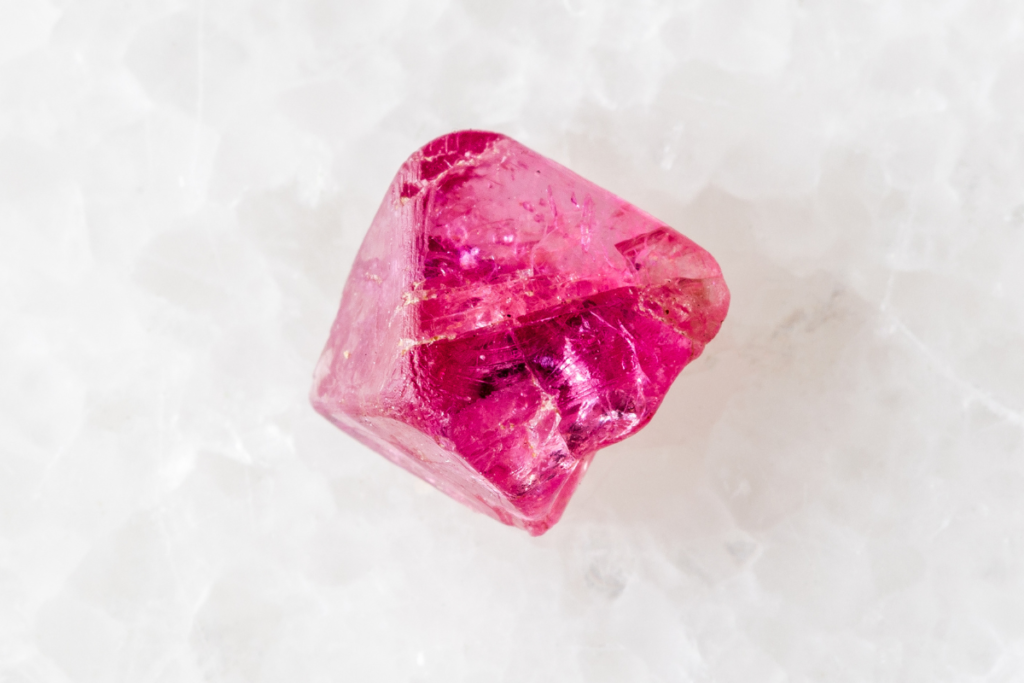
The market still prioritizes strong, saturated colors. Hot pink spinels from Mahenge remain among the most requested. The best stones show high saturation while maintaining a stable tone under different lighting conditions. Availability of fine material is tightening.
Red spinels from Myanmar continue to hold their position due to balance rather than intensity alone. These stones are consistent and remain a reference point in the market.
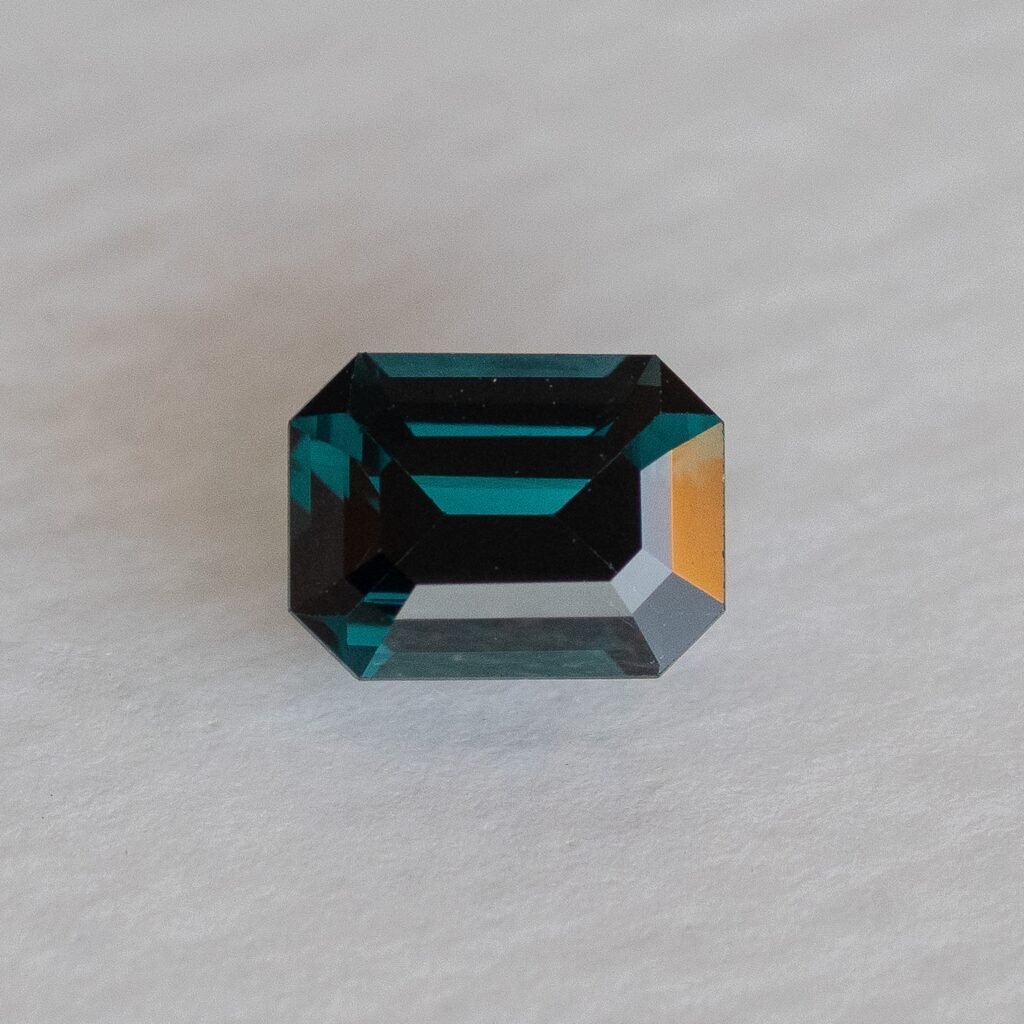
Blue spinel is more complex. Standard blue material is relatively available, often slightly greyish or steely. Cobalt blue spinel is different. True cobalt-bearing stones show a distinct color profile and are extremely rare. These do not circulate in volume.
Beyond these core categories, there is a range of colors that are becoming increasingly relevant.
Mauve spinels, purplish-pink tones, and true purple spinels sit in a more refined space. They rely less on saturation and more on tone and light performance. A well-cut mauve spinel, for example, can shift subtly between pink and violet depending on the light source.
Purplish-pink spinels offer strong versatility in design, balancing warmth and coolness without dominating the composition.
True purple spinels are less common than expected. When the tone is correct, they show a compact, dense light return that gives them a distinct presence.
Grey spinels are often underestimated. The best examples are not flat — they carry secondary tones and respond strongly to cut. In contemporary jewellery, they offer a very controlled, refined effect.
Lavender spinels sit between these categories, softer in tone but capable of strong internal light when well cut.
What is changing in the market is the way these colors are evaluated.
There is a gradual shift away from pure saturation toward a more balanced approach — tone, cut, and light performance working together. Stones that were previously overlooked are now being reconsidered.
From a sourcing perspective, this means selecting not only what is currently requested, but what will remain relevant over time.
Spinel Rarity: Where the Market Is Tightening
Spinel as a category is not rare. Fine spinel is.
The distinction is essential.
Commercial-grade material is widely available. High-quality stones with correct color, cut, and clarity are limited.
The rarest segments include:
- Cobalt blue spinel
- High-quality Mahenge pink spinel
- Fine red spinel from Myanmar
In more nuanced colors such as mauve, purple, or grey, availability exists, but finding stones with the right balance is not straightforward.
This is where sourcing becomes selective. and our competence and professionality comes at help.
Spinel Value and Market Outlook (Next 5–10 Years)
Spinel has already shown a steady increase in value.
This is not driven by marketing cycles, but by a deeper understanding of the material. Designers are using it more intentionally. Clients are becoming more informed.
Over the next five to ten years, I expect this trend to continue.
The key driver will be the separation of quality. While commercial material will remain available, fine spinels — particularly in high-demand colors — will become increasingly difficult to source.
As this gap becomes more visible, the positioning of spinel within high jewellery will strengthen.
Conclusion: Why Spinel Will Define the Next Decade
Spinel is not a trend-driven gemstone. It is a material that becomes more relevant as knowledge increases.
It offers a combination that is increasingly rare:
- Natural, untreated color
- Strong structural properties
- Consistent performance when properly cut
- A wide but clearly segmented color range
Over the next ten years, spinel will take a more central role in high jewellery. Not as a replacement for traditional stones, but as a category with its own identity.
This is where we focus our work.
Spinel sourcing requires precision — selecting for color, cut, and light performance, not just availability. Each stone needs to justify itself in hand.
That process is demanding, but it defines the result.
And it is the reason spinel will continue to grow in importance over the coming decade.
If you are interested in finding your next collector purchase, feel free to reach out to our team at hello@valentinaleardi.com