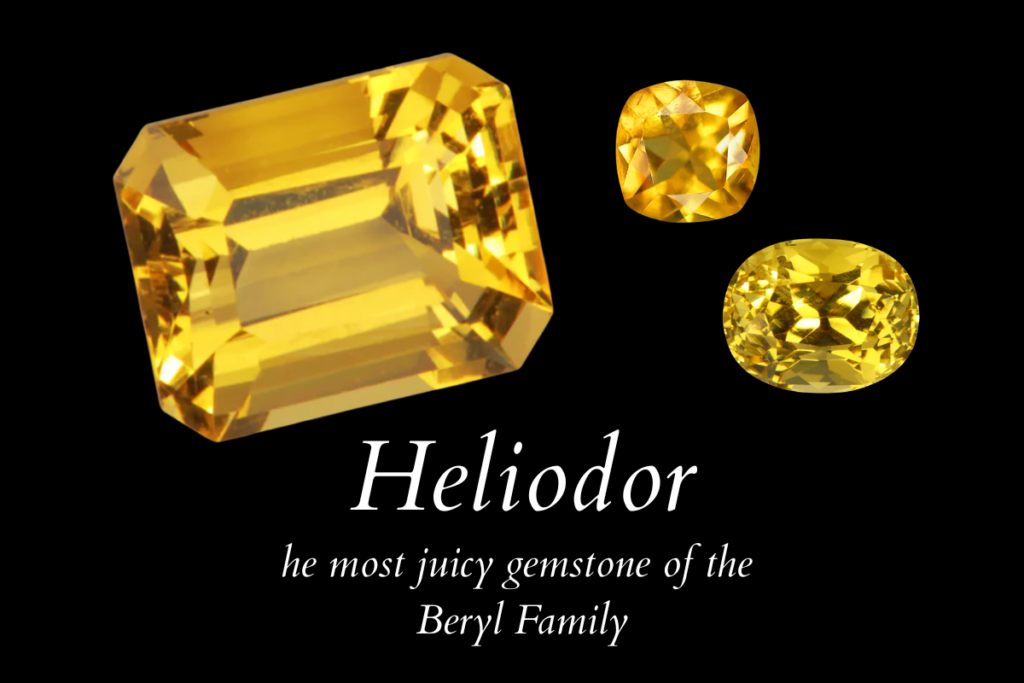
Heliodor — The most juicy gemstone of the Beryl Family
A gem that carries sunlight in crystal form, often overlooked beside its famous relatives.
The first time I handled a fine heliodor, I noticed the color before anything else. Not the brightness — the tone. A clear golden yellow that sits somewhere between sunlight and young honey. Sweet, warm, like the first spring sun on the skin.. It feels like home… for my powerful synesthesia. When the stone moves under daylight, the color deepens slightly and the brilliance appears from inside the crystal rather than on its surface. The power of the sun/
It is a stone that remains surprisingly under the radar. Most attention within the beryl family goes to emerald for its history, aquamarine for its blue clarity, and morganite for its soft pink tone. Heliodor sits quietly beside them, even though its color — a natural golden yellow — fills a space none of the others occupy.
That is exactly why it interests me.
When placed next to aquamarine, morganite, or emerald, heliodor acts almost like the missing piece of the palette. The yellow warms the composition, balances the cooler tones, and gives the entire set of stones a sense of structure.That internal light is typical of good beryl. Heliodor shares the same structure as aquamarine, morganite, and emerald, so when the crystal is clean and well cut, the light travels through it smoothly. The result is not sharp flashes but a steady glow that feels stable and calm.
It belongs to the beryl family, the same mineral group that gives us emerald, aquamarine, and morganite. Yet heliodor rarely receives the same attention. Perhaps because its color is subtle. Perhaps because the market has spent decades celebrating saturated greens and pinks while ignoring yellow stones unless they come from sapphire or diamond.
But when you spend time with heliodor — really study it — you realize something interesting. Among the beryls, it often shows the most balanced crystal behavior. The color distribution is clean, the transparency high, and the stones tend to grow in large, well-formed crystals. For a jeweler or gem hunter, that combination matters.
Heliodor is one of those stones that rewards patience rather than spectacle.

Where the Sun Enters the Crystal
The name heliodor comes from Greek: helios meaning sun, and doron meaning gift. A gift of the sun.
The name appeared in the early twentieth century after yellow beryl was discovered in Namibia in large, well-formed crystals that carried a rich golden tone. Those Namibian stones shaped how collectors still imagine heliodor today — bright, clear, and structurally clean.
Geologically, heliodor is simply yellow beryl. The color comes mainly from iron within the crystal lattice. When iron is present in specific oxidation states, it produces the yellow spectrum that ranges from pale straw to deep golden honey.
Beryl itself is a remarkable mineral structure. Chemically it is beryllium aluminum silicate, forming hexagonal crystals that can grow with extraordinary clarity when the geological conditions are stable. The same structure produces very different gems depending on trace elements:
- Chromium or vanadium gives us emerald.
- Iron creates aquamarine and heliodor.
- Manganese produces morganite.
So while these stones look different in jewelry, they share the same crystal framework. Think of them as siblings who inherited the same architecture but developed different personalities.
Heliodor sits somewhere between aquamarine and emerald in temperament — calmer than emerald, warmer than aquamarine.
The Geography of Heliodor
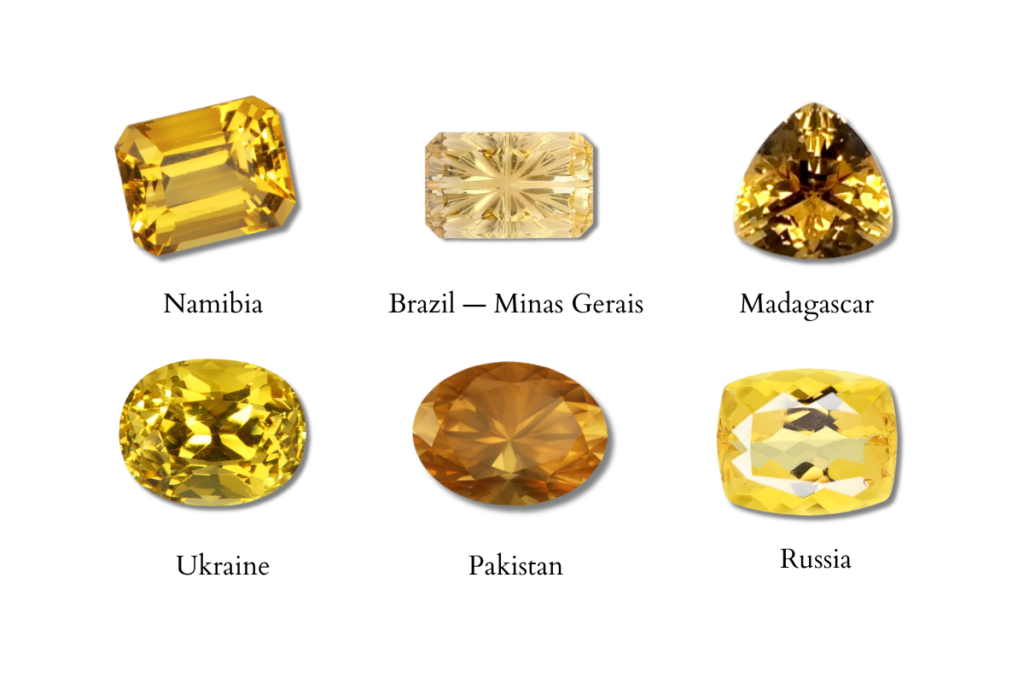
The most respected heliodor historically came from Namibia, particularly the Erongo region. These crystals were discovered in pegmatites in the early 1900s and often appeared in large transparent hexagonal prisms. Some specimens reached museum quality. Collectors still value stones from this region because the color tends to be stable and naturally saturated.
Another important source is Brazil, particularly the state of Minas Gerais. Brazil produces a wide spectrum of beryls, and heliodor from this region tends to range from pale yellow to greenish yellow. Many commercial stones originate here.
More recently, significant deposits have appeared in Ukraine, especially in the Volodarsk-Volynskii pegmatite field. Ukrainian heliodor is known for its strong golden tone and excellent transparency. Some crystals from this region reach impressive sizes, making them attractive for collectors and cutters alike.
Other notable sources include:
- Madagascar, producing bright yellow stones with occasional greenish tones
- Russia, historically yielding interesting beryl crystals including heliodor
- Pakistan, where smaller deposits occur in pegmatite formations
Among gem dealers, Namibian stones still hold a certain prestige. Not necessarily because they are always the best color, but because they shaped the early identity of the gem.
Collectors often respond to that historical narrative.
Heliodor and Its Beryl Relatives
When people encounter heliodor for the first time, they often ask the same question:
Is it closer to aquamarine or emerald?
Chemically, it sits between them.
Aquamarine and heliodor both derive their color primarily from iron. The difference lies in the oxidation state of that iron and how light interacts with the crystal. Aquamarine expresses iron in a way that produces blue tones. Heliodor expresses it as yellow.
Because of that shared chemistry, some crystals actually show transitions between the two colors. Cutters occasionally encounter stones that shift from pale blue to yellow within the same crystal. When this happens, the result can be fascinating bicolor gems.
Morganite is another sibling in the family, but its color comes from manganese rather than iron. The structure is identical. The personality is not. Morganite feels softer, often with a pastel saturation that suits rose gold settings.
Emerald is the outlier. Its chromium and vanadium content produces that intense green — but it also creates internal stress within the crystal. That stress is why emeralds almost always contain inclusions, the famous jardin.
Heliodor behaves very differently.
Most stones are extremely clean.
From a jeweler’s perspective, this clarity changes how the gem interacts with light. Instead of the fragmented reflections seen in emerald, heliodor often displays a smooth internal luminosity. The light travels through the stone more freely.
It feels calmer.
Historical Use in Jewelry
Heliodor has never dominated jewelry history in the way emerald or sapphire have. Yet it appears periodically in high jewelry, especially during periods when designers were experimenting with color palettes.
In the early twentieth century, particularly during the Art Deco period, jewelers began exploring colored stones beyond the traditional ruby-sapphire-emerald trio. Heliodor occasionally appeared in geometric pieces where its golden tone complemented platinum settings and contrasting gems.
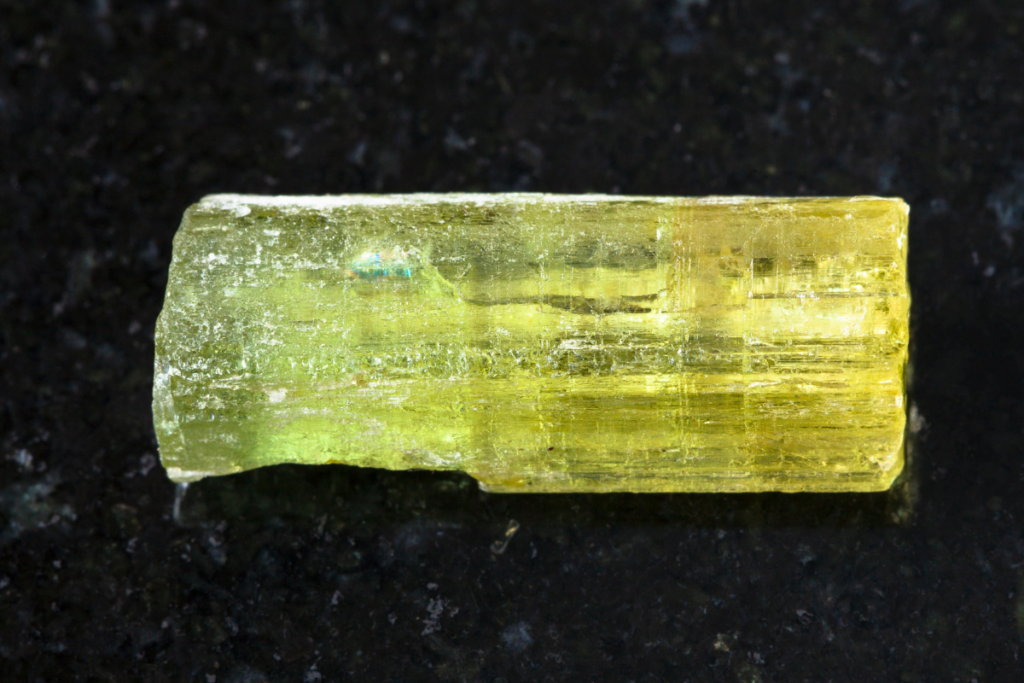
The stone also found a place in collector circles because of its crystal form. Mineral collectors often value heliodor specimens in their natural hexagonal structure — tall, transparent prisms with sharp termination points.
In jewelry, however, heliodor remained something of a connoisseur’s stone. It never became a mass-market favorite. That limited exposure kept the prices relatively modest compared with other beryls.
For designers today, that creates an interesting opportunity.
Heliodor offers the architecture and durability of beryl with a color that sits comfortably between yellow sapphire and yellow diamond — but at a fraction of the cost.
Treatments and Stability
Most heliodor on the market is untreated.
That already distinguishes it from many colored gemstones.
However, treatments do exist. Heat treatment can sometimes enhance the yellow color by modifying the iron within the crystal lattice. In some cases, pale aquamarine can even be heated to shift toward yellow tones, although this is not common practice.
Another phenomenon occurs in nature: some heliodor crystals can lose their color when exposed to prolonged heat or radiation. This behavior was historically observed in certain Namibian stones, though modern gemological studies suggest that well-formed heliodor is generally stable under normal conditions.
For buyers, the key point is simple.
If a stone shows a rich golden color without gray or green masking, and the clarity is high, there is a good chance it is natural and untreated.
Laboratory reports from institutions such as GIA or SSEF can confirm this when necessary.
Sourcing Heliodor — What I Look For
When I evaluate heliodor for a piece of jewelry, I focus on a few simple characteristics.
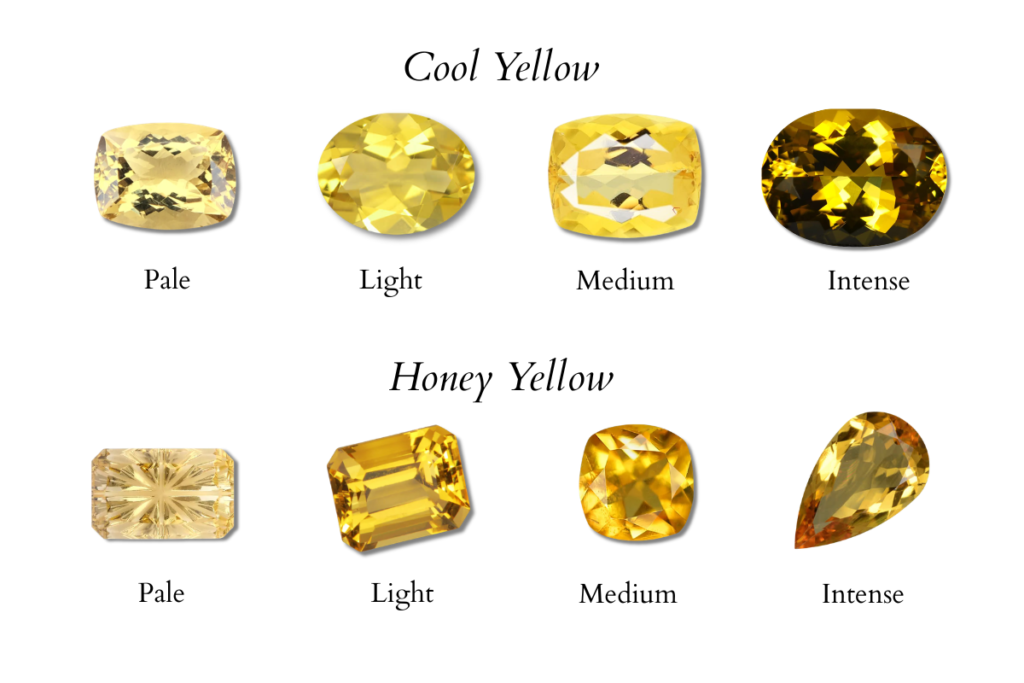
First is color balance. The best stones show a clean golden yellow that sits between straw and honey. Too pale, and the stone loses presence. Too green, and it begins to resemble aquamarine that has drifted off course.
Second is clarity. Heliodor should be transparent. Unlike emerald, inclusions are not part of its identity. When they appear, they usually reduce value.
Third is cut quality. Because heliodor is often very clear, any cutting mistakes become obvious. Windowing — where light passes straight through the stone instead of reflecting — can drain the gem of life. A well-proportioned cut restores internal brightness.
Then comes size.
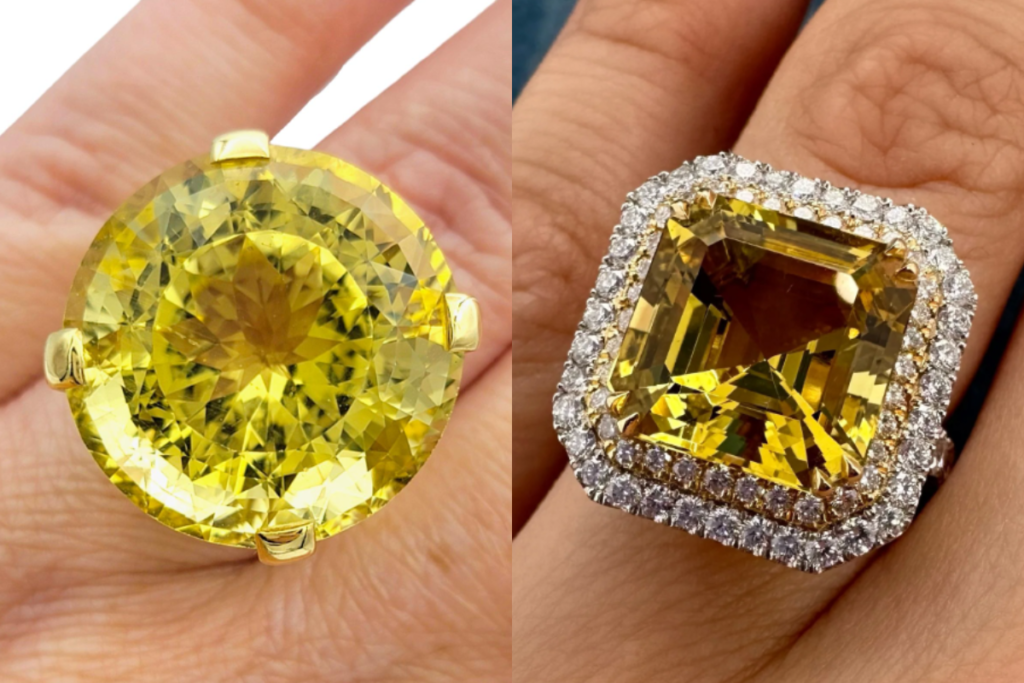
Beryl crystals grow large. That means heliodor is often available in impressive carat weights. Stones above five carats with strong color begin to feel substantial in jewelry.
Above ten carats, the gem starts to attract collector attention.
Why Heliodor Deserves More Attention
As a designer, I find heliodor fascinating because of how it interacts with other stones.
Its golden tone sits naturally within the color wheel between yellow sapphire, morganite, and aquamarine. When used carefully, it acts almost like a bridge between warm and cool palettes.
I often imagine it paired with pale aquamarine or soft pink morganite — a composition that moves through the spectrum the way light moves through the sky at sunset.
Heliodor doesn’t dominate a design.
It stabilizes it.
And perhaps that is why I return to it often. In a world where many gemstones compete to be the loudest color in the room, heliodor does something different.
It holds the light quietly.
Not demanding attention. Just carrying the memory of sunlight inside the crystal.