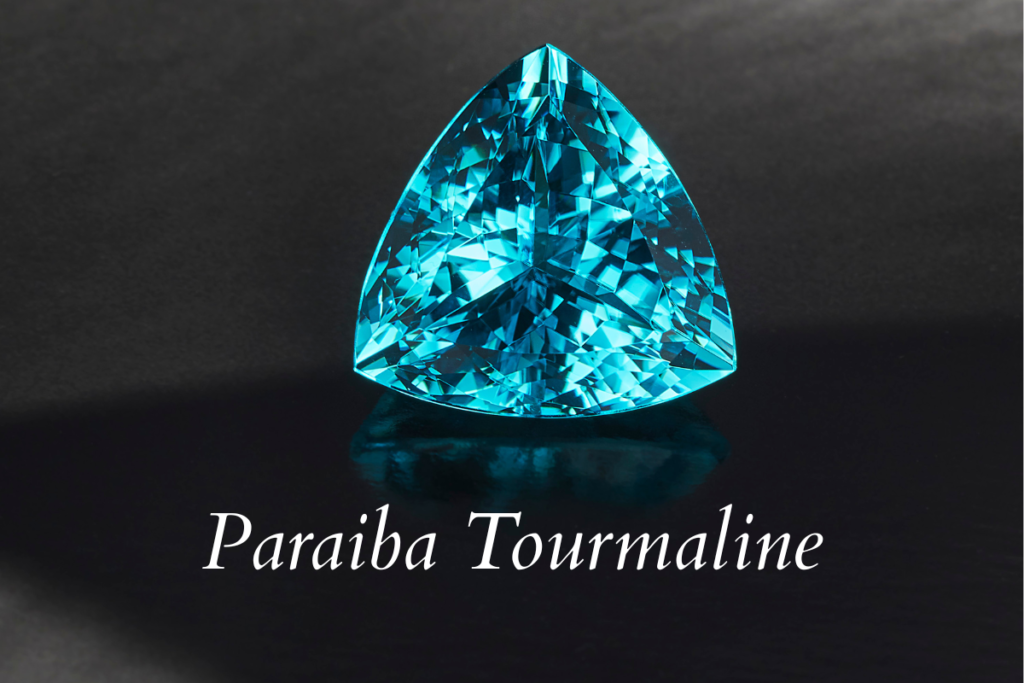
Paraíba Tourmaline Buying Guide
A Curator’s Guide to the World’s Most Electric Blue Gem
Introduction
Paraíba tourmaline is one of those gemstones that stops conversation before a word is spoken. Its glow is unmistakable—an inner radiance that feels almost electric. This guide is for collectors, buyers, and jewelry lovers who want to understand what drives the value of this extraordinary gem and how to choose a stone that will hold its magic for decades.
Key Value Factors at a Glance
- Color: Neon to electric blue with strong saturation
- Hue: Pure blue to green-blue; minimal secondary tones
- Clarity: Moderately included is normal; severe fractures lower value
- Cut: Precision cutting required to maximize glow
- Size: Rarity increases dramatically above certain carat thresholds
- Treatments: Heating is common; untreated stones are rare
- Origin: Brazil, Mozambique, Nigeria
- Certification: Essential for authenticity and disclosure
- Rarity: Extremely scarce, especially in vivid color grades
Origin & Location of the Mines
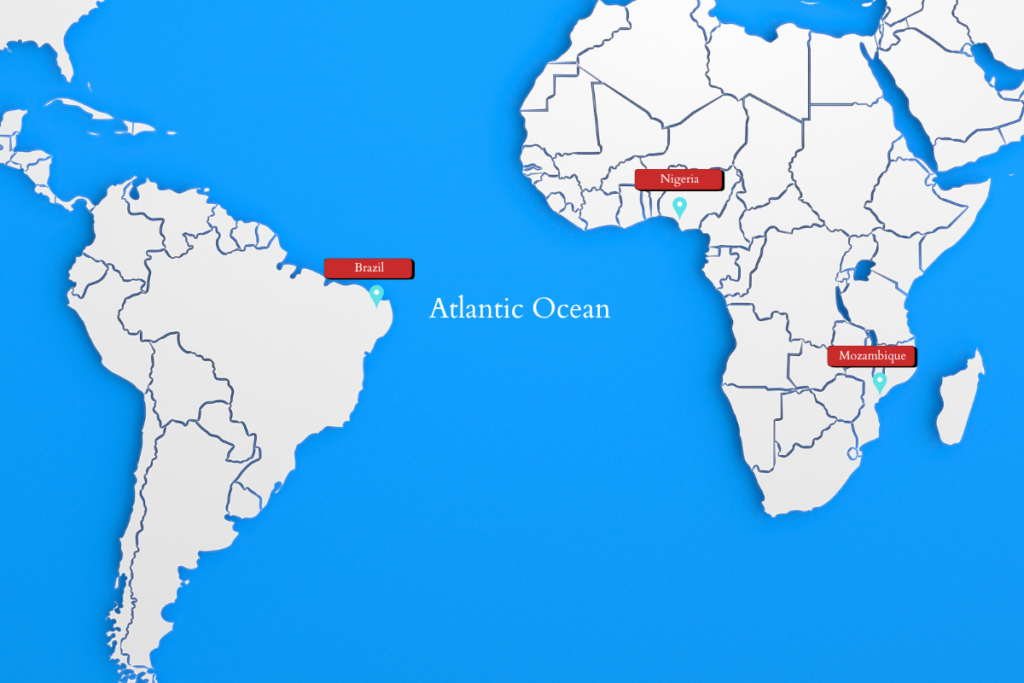
Paraíba tourmaline draws part of its mystique from where it comes from. The first deposits were found in the late 1980s in Paraíba State, Brazil, inside narrow, stubborn veins of pegmatite that were often more rock than crystal. The material was scarce even at the moment of discovery, and the intense electric blues from these early mines became the benchmark against which all future stones would be judged. Production today is extremely limited; most pockets have been exhausted, and anything of fine color emerging from Brazil is considered a rare event.
In the early 2000s, new copper-bearing tourmaline deposits were discovered in Mozambique, followed later by smaller occurrences in Nigeria. Mozambique quickly became the most productive source, offering a broader range of sizes and colors—from pure neon blues to green-blue and turquoise tones. While its finest stones rival Brazilian material in beauty and saturation, the geological conditions differ: the crystals tend to be larger, and the color distribution more varied, giving each region its own visual identity.
Nigeria produces material in smaller quantities, often showing vibrant hues with a slightly different internal structure. These stones can be beautiful but appear less frequently on the high-end market.
Each origin carries its own appeal. Brazilian stones remain the most iconic and historically revered; Mozambique provides the widest availability of fine-quality gems; Nigeria offers rare but interesting alternatives. In the market, origin can influence perception, but the color, glow, and overall presence of the stone matter far more than the mine itself. A truly exceptional Paraíba stands on its own, regardless of where it was born.
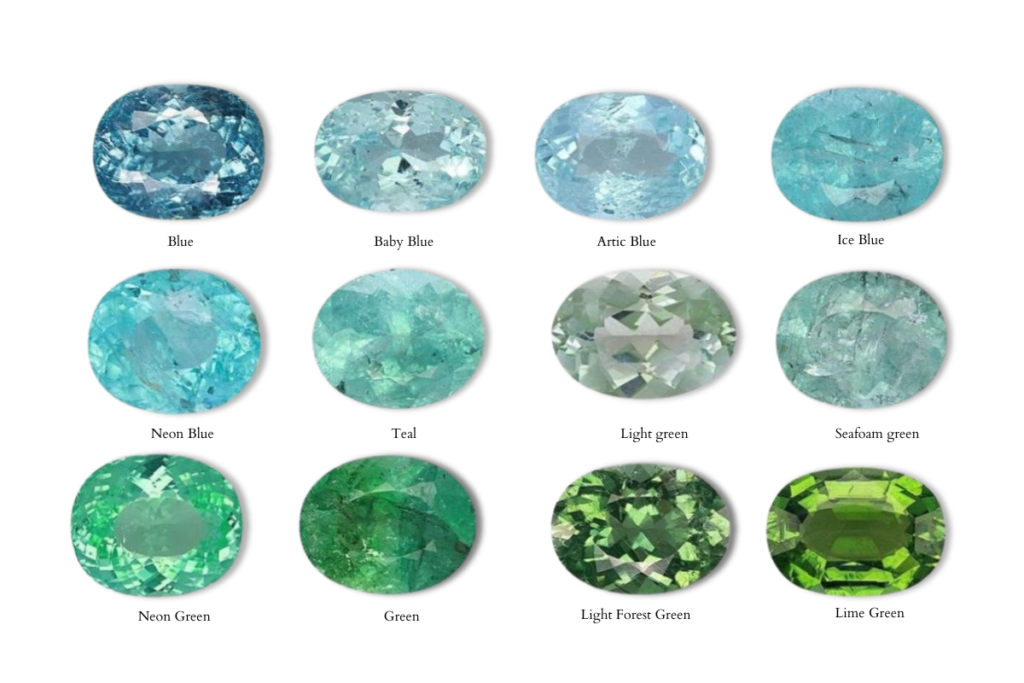
Color: What to Look For
Ideal Color Grades
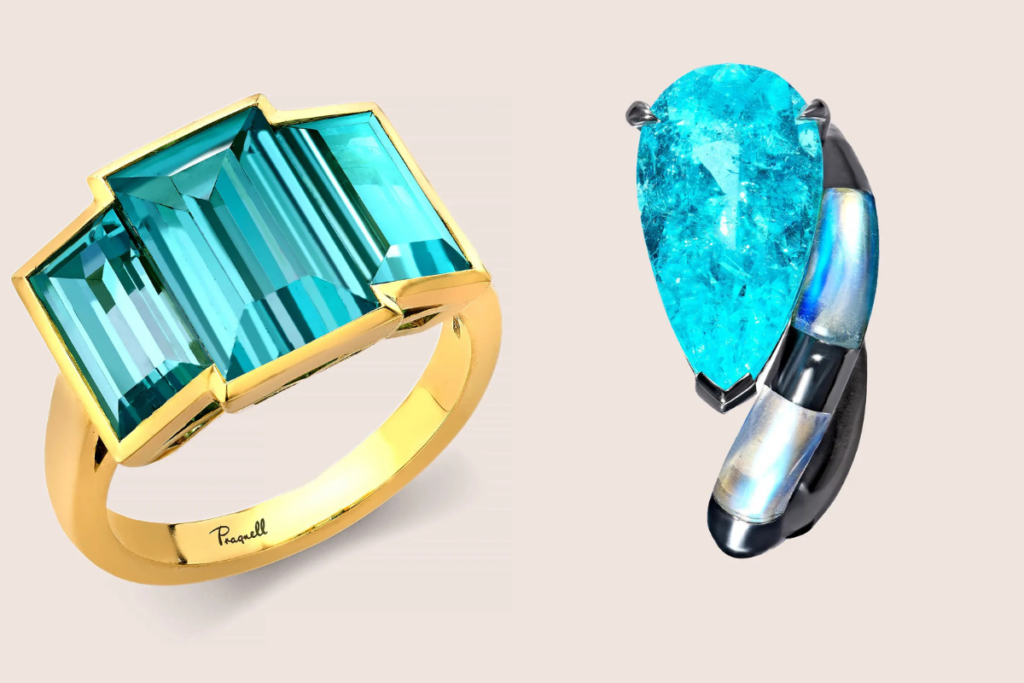
The signature of a true Paraíba tourmaline is its neon, electric, or “glow from within” appearance. This effect is caused by copper and, in some stones, manganese—trace elements that shift light into an almost supernatural register.
The most prized colors include:
- Electric blue
- Neon turquoise
- Vivid green-blue
These hues carry an intensity that feels lit from inside, not simply bright on the surface.
Secondary Hues
Paraíba tourmaline can lean slightly toward:
- Green
- Blue-green
- Violet-blue
A subtle tilt is acceptable if the stone still glows with copper-rich saturation.
When the green becomes dominant, the gem may still be attractive but moves into lower value categories.
Undesirable Tones
These tones are absolutely to avoided as they lack of the life and luminosity that define the character of Paraiba Tourmaline.
- Grayish blue
- Dull or milky hues
- Very dark or overly light stones
These tones lack the life and luminosity that define Paraíba tourmaline.
How Color Impacts Value
Color is the single most powerful driver of value. Stones with neon saturation and pure hues belong to the premium tier, with value increasing sharply as saturation intensifies.
Exceptional stones with “liquid electric” color are considered collector-grade and show strong long-term appreciation.
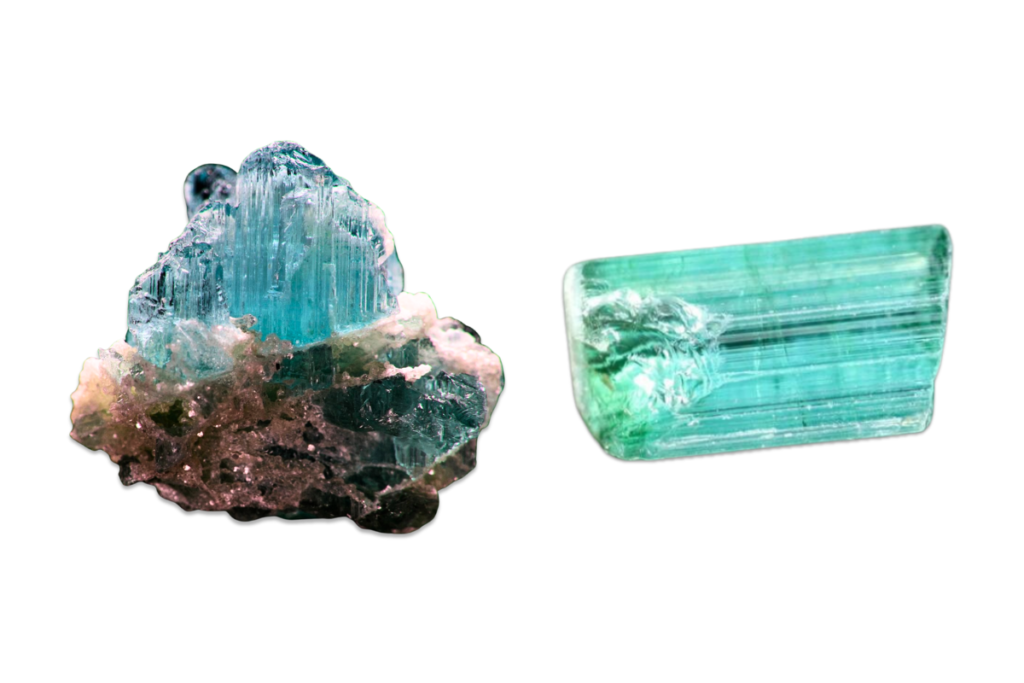
Clarity: Understanding What’s Acceptable
Typical Inclusions
Paraíba tourmaline often forms with:
- Fluid inclusions
- Veils and needles
- Internal fissures
- Structural lines from copper concentration
A moderately included stone can still be highly valuable if the color is strong.
What Is Normal vs. Problematic
Normal:
- Small feathers not reaching the surface
- Minor cloudiness that does not dim the glow
- Needle-like inclusions typical of copper-bearing tourmaline
Problematic:
- Fractures that reach the surface
- Inclusions that interrupt transparency
- Hazy areas that diffuse the neon effect
- Inclusions at the girdle that threaten durability
How Clarity Affects Value
Clarity affects value in the same way it influences fine emeralds: clarity is considered, but the color dominates.
As long as the internal life remains luminous and the inclusions don’t disrupt the glow, the stone retains strong value.
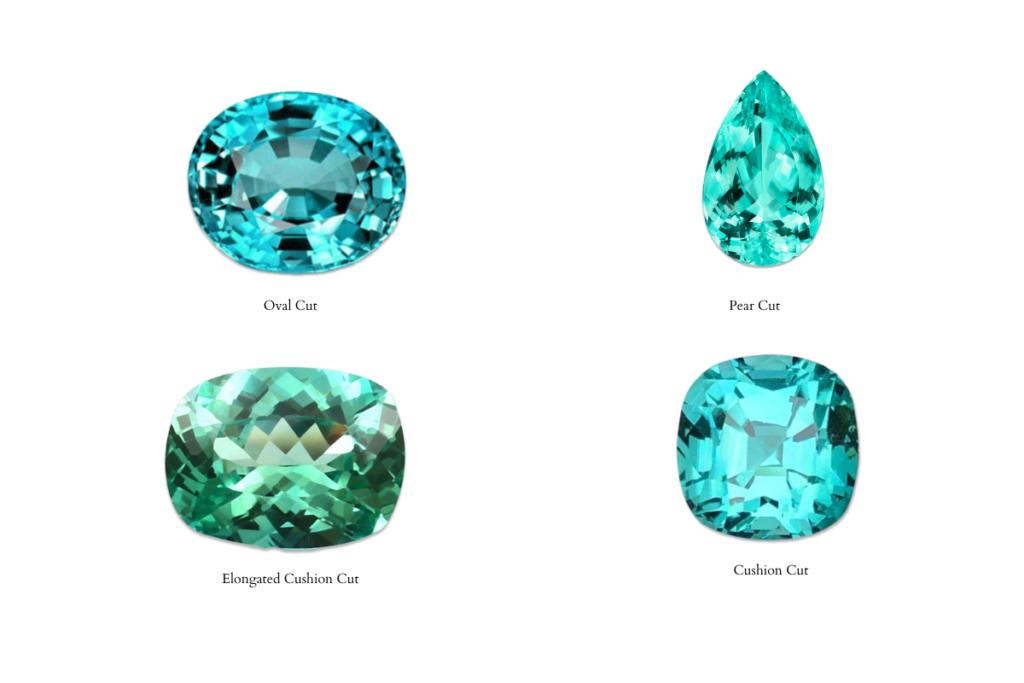
Cut Quality: Why It Matters
Best Cuts for Paraíba
Paraíba tourmaline thrives in shapes that enhance its optical intensity:
- Oval
- Pear
- Cushion
- Antique-style shapes
These forms allow light to ricochet through the copper-rich body, creating the gem’s signature neon impression.
Common Cutting Issues
- Windowing: When the center appears watery or transparent
- Extinction: Dark patches that swallow light
- Uneven saturation: Strong color at the edges but weak at the center
- Over-deep cutting: Adds weight but kills brilliance
How Cut Influences Brilliance
A fine cut can transform moderate color into a vivid, luminous appearance.
A poor cut can drain life from even a richly saturated stone.
Cut is one of the most underestimated drivers of long-term visual value.
Carat Weight & Size Rarity
Common Sizes
Most Paraíba tourmalines fall below two carats.
Stones above this range exist, but their saturation often softens.
Rarity Thresholds
As the weight climbs, rarity increases sharply—especially when the color remains intense.
Key thresholds include:
- Above 2 cts: Already rare
- Above 3–5 cts: Considered exceptional when neon
- Above 10 cts: Reserved for museum-level stones in strong color
Value Jumps With Size
Size multiplies value nonlinearly.
The jump from a modest size into the rare category can trigger exponential appreciation, especially for stones with strong saturation and good transparency.
Treatments & Enhancements
Common Treatments
Heat treatment is widespread and accepted in the market. It can clarify the tone, amplify the neon effect, or balance secondary hues.
Do Untreated Stones Exist?
Yes—rarely.
Untreated stones with strong saturation are considered collector-level and command a premium.
Impact on Value
- Heated stones: Standard for the market; value determined mainly by color
- Unheated stones: Considered special; show stronger value appreciation
How to Detect Treatments
Only a reputable laboratory can confirm treatment status.
Visual clues exist, but they are not reliable on their own.
Certification & Lab Reports
When buying consider that an appraisal with certification and lab report it’s a must have, especially for top quality and investment stones. In the case of Paraiba Tourmaline they are the only one confirming the presence of copper.
Look for:
- GIA
- SSEF
- Gübelin
- AGL
These labs offer reliable identification of copper-bearing tourmaline and treatment disclosure.
Each certificate should include:
- Mineral species: tourmaline
- Copper-bearing status
- Treatment disclosure (heated or unheated)
- Origin opinion (Brazil/Mozambique/Nigeria), if possible
When certification is essential:
- For any stone claiming “Paraíba tourmaline”
- For stones above mid-tier quality
- For collector-level gems
- For resale, insurance, or investment purposes
Quality Tiers & Market Appreciation
Commercial Quality
These stones show lighter or diluted colors, with inclusions that are noticeable but stable. They offer the appearance of Paraíba without the intensity.
- Value Level: Entry tier
- Market Demand: Steady but not competitive
- Appreciation Trend: Slow and modest; driven more by general popularity than rarity
- Best For: Jewelry wearers who want the look without pursuing investment value
Fine Quality
Fine-quality stones have stronger color saturation, cleaner transparency, and well-executed cuts. Under natural light, they show an appealing glow and lively play of light.
- Value Level: Mid-to-high tier
- Market Demand: Consistently strong across global markets
- Appreciation Trend: Healthy upward movement as supply tightens, especially for stones with balanced blue-green tones
- Best For: Buyers seeking both beauty and a gemstone that holds long-term desirability
Top Gem Quality
These Paraíba tourmalines exhibit the full neon or electric signature—intense saturation, excellent clarity for the species, and clean, precise cutting. The color appears almost illuminated from within.
- Value Level: High tier
- Market Demand: Very competitive; collectors often purchase quickly
- Appreciation Trend: Significant and sustained; top grades have shown some of the most resilient value trajectories in the colored gemstone market
- Best For: Collectors who prioritize optical intensity and long-term value retention
Collector-Grade / Rare Size Stones
This category includes museum-caliber Paraíbas with exceptional neon saturation, exceptional transparency, and sizes that exceed typical production. These gems represent the pinnacle of rarity.
- Value Level: Ultra-high tier
- Market Demand: Global and aggressive; stones rarely remain available for long
- Appreciation Trend: Steep; these stones show some of the strongest long-term appreciation among all copper-bearing tourmalines due to their extreme scarcity and the declining availability of top-quality material
- Best For: Serious collectors, long-term investors, and those seeking irreplaceable gemstones
Red Flags & Buying Mistakes to Avoid
- Buying without a reputable lab report
- Mistaking vivid blue tourmaline for copper-bearing Paraíba
- Assuming all neon stones are from Brazil
- Ignoring clarity issues that threaten durability
- Accepting overly low prices
- Trusting saturated photos without video confirmation
- Overlooking cut quality (windowing is common in inferior stones)
- Buying from sellers who avoid treatment disclosure
Investment Potential
Rarity
Copper-bearing tourmaline is one of the scarcest colored gems in modern production.
Brazilian mining has slowed dramatically; Mozambique’s best pockets are increasingly depleted.
Demand Trends
Demand continues to rise across Asia, the Middle East, and Western collector markets.
The top-quality stones rarely stay long on the market.
Supply Concerns
Supply is thinning.
New discoveries have not matched earlier material in quality or quantity.
Long-Term Value
Top-quality stones, especially in larger sizes, have shown strong long-term appreciation and remain a favored category among serious collectors.
Final Checklist (Top 10 Things to Remember)
- Seek neon to electric saturation
- Avoid gray or overly light tones
- Expect moderate inclusions
- Prioritize excellent cutting
- Understand size rarity
- Accept heating as standard
- Prize unheated stones as collector-level
- Always request a top-tier lab report
- Inspect color in natural light
- Buy from reputable dealers only
Conclusion
Paraíba tourmaline is more than a gemstone—it’s a phenomenon of light.
Its neon pulse, born from copper and geological tension, has reshaped the landscape of modern colored gems. To choose one is to choose a piece of earth that behaves like fire. And in the hands of a thoughtful collector, it becomes not just an object of beauty, but a legacy.
A reminder that some stones don’t just shine.
They glow.